

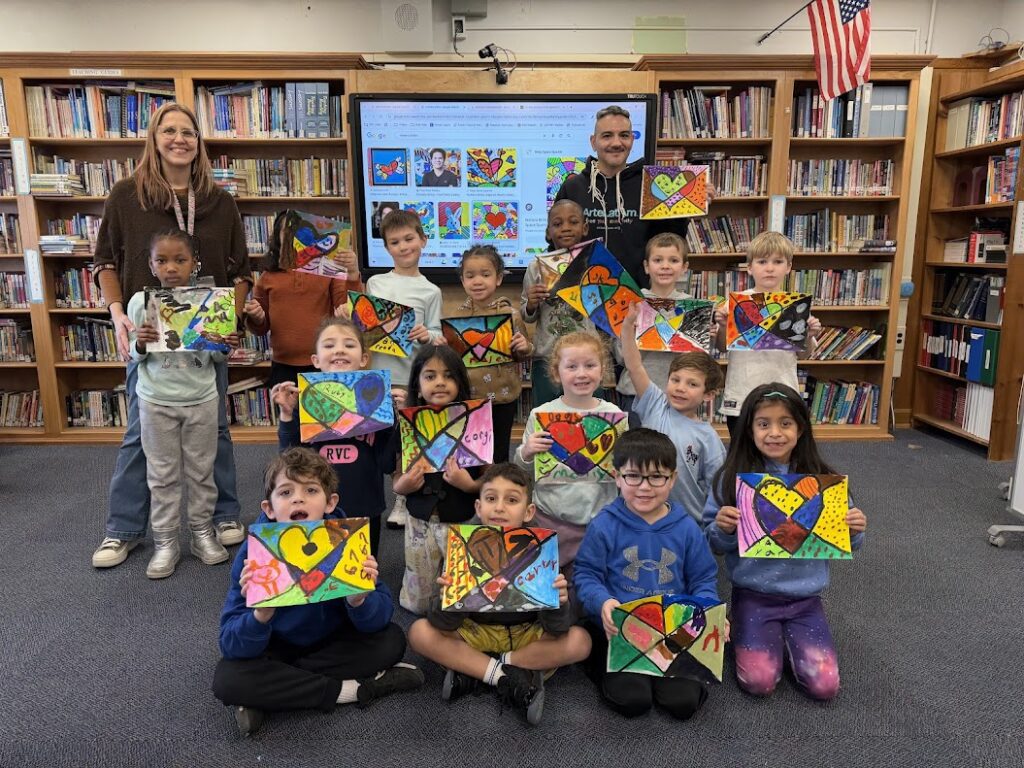
In classrooms where art becomes a language, children do more than learn how to paint, draw, or create — they learn how to express themselves, build confidence, and connect with others. At Artelatam, this transformation is made possible thanks to the committed work of our teaching artists, who bring art into educational spaces as a powerful tool for holistic development.
Teachers who inspire beyond the classroom
Teaching art to children goes far beyond technique. It requires sensitivity, patience, and a deep educational vocation. Our artist-educators guide students through creative processes where mistakes become learning opportunities and imagination becomes a driver of growth.
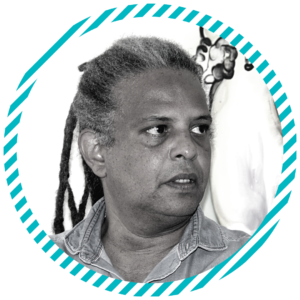
“When a child feels heard through art, their relationship with the world changes. I’ve seen shy children begin to express themselves with greater confidence and pride,” explains Pedro Felipe, artist and teaching artist with Artelatam.
Each class becomes a space where children can explore emotions, strengthen their self-esteem, and discover new ways of communicating — especially in communities where access to the arts is limited.
The impact of art on child development
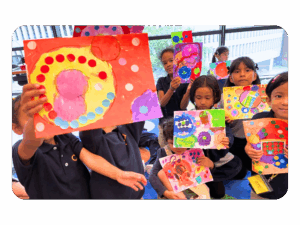 Numerous international studies show that arts education has a direct and measurable impact on children’s development:
-
Children who regularly participate in arts programs are up to 17% more likely to improve academic performance, particularly in reading and mathematics.
-
Arts education contributes to a 20% increase in social-emotional skills, including empathy, collaboration, and self-regulation.
-
School-based arts programs are associated with a significant reduction in behavioral issues and greater engagement in the school environment.
-
Art fosters creativity and critical thinking, skills identified as essential for 21st-century careers.
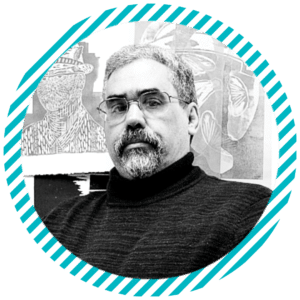
“Art teaches children how to think, solve problems, and trust their ideas. Many discover talents they didn’t know they had,” notes Gilly Lugo, teaching artist with the program.
Art as a tool for emotional well-being
Beyond academic indicators, art plays a critical role in children’s emotional well-being. Through drawing, painting, and creative expression, many children are able to communicate feelings they cannot yet put into words.
“The art classroom becomes a safe space. Children can be themselves, express what they feel, and transform emotions into creation,” shares Marta Blair, artist and Artelatam facilitator.
Families also recognize this impact:
“Since my child began participating in art classes, they express themselves more clearly and feel more motivated at school. Art has given them confidence,” shares the parent of one of the participating students.
Recognizing those who make transformation possible
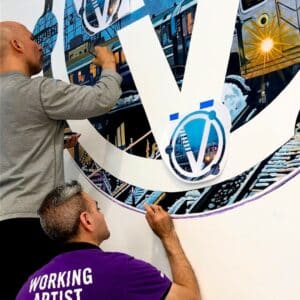
At Artelatam, we deeply value and recognize the commitment of our teaching artists. Their work not only impacts each child who enters the classroom, but also plants seeds of creativity, confidence, and hope that last far beyond the school day.
“Being part of Artelatam means knowing that your work has real social purpose. We don’t just teach art — we help shape more sensitive and conscious human beings,” concludes Pedro Felipe.
We remain committed to art as a bridge between cultures, generations, and realities, convinced that investing in arts education is investing in a more human and compassionate future.

















Comments are closed.