


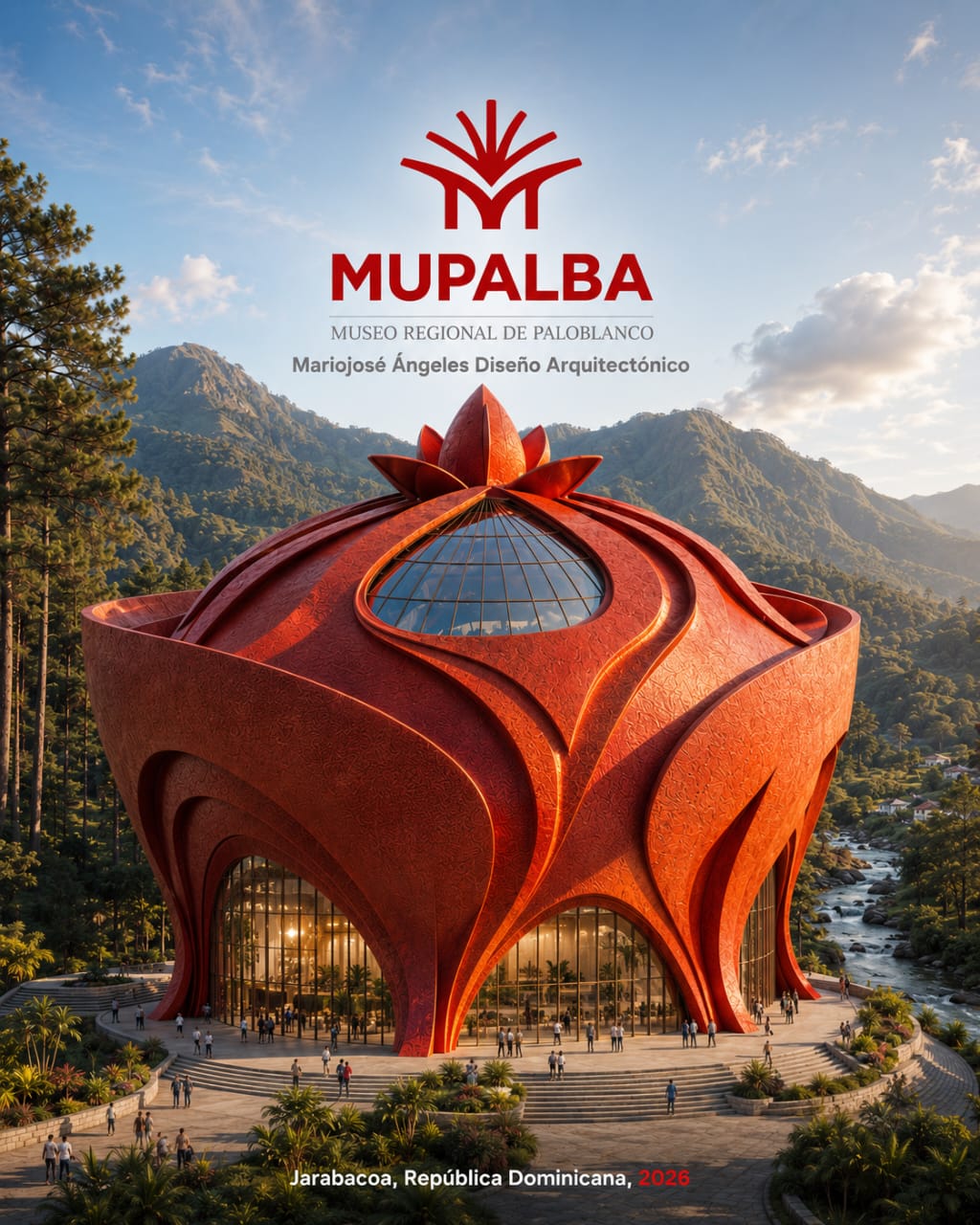
MUPALBA will merge art and technological vanguard within the natural environment of Jarabacoa
Jarabacoa, Dominican Republic. – In the ecological heart of Palo Blanco, Jarabacoa, a proposal of global significance is being developed. This is MUPALBA (Palo Blanco Regional Museum), a cultural, educational, and scientific initiative of futuristic architecture driven by the prominent Dominican visual artist and curator Mariojosé Ángeles, who serves as Art Curator for ArteLatAm Dominican Republic, as well as the Founder and CEO of the project.
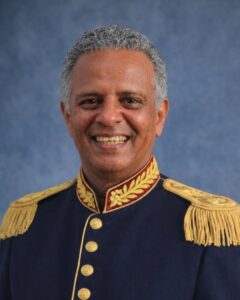 The proposal, which is currently in its conceptual stage, has been designed with a perspective of international viability. Since December 2024, a multidisciplinary team composed of seven Dominican and two international architects has been working on articulating an ecosystem that seeks to intertwine Caribbean cultural identity with the most advanced technologies of the 21st century.
Multidimensional campus
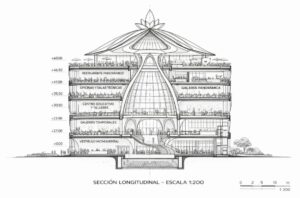
The architectural-sculptural design of the main pavilion, conceived by Mariojosé Ángeles, finds its inspiration in the strawberry, an emblematic symbol of fertility and agricultural production in Jarabacoa. According to Spanish architect Néstor Bolinches, the complex will feature a central basilica-plan building surrounded by secondary infrastructures distributed organically, emulating the fluid circulation of a dynamic neighborhood.
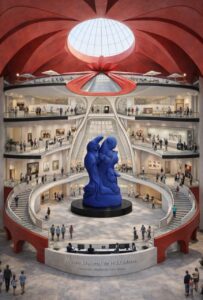
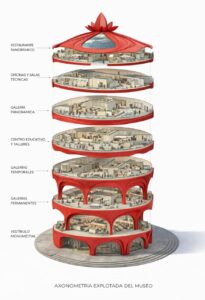
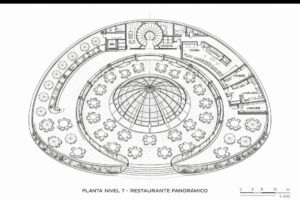
This ambitious approach has sparked conceptual comparisons with major milestones of contemporary world architecture, such as the iconic City of Arts and Sciences in Valencia, Spain. The Humanities Pavilion will constitute the initial conceptual core, a monumental structure of terracotta tone and 3D organic texture, crowned by a large glass dome designed to bathe the space in natural light. Inside, a large active void will house a monumental sculpture dedicated to the human dimension, surrounded by permanent galleries, workshop centers, and a panoramic restaurant.
Master plan
 MUPALBA exceeds the concept of the traditional museum and is projected as an infrastructure for integral human development through a strategy of five progressive phases:
-
Phase I | Institutional: Creation of MUPALBA, S.A.S. to ensure governance, fundraising, and the economic viability of the project.
-
Phase II | Foundational Architecture: Construction of the Humanities Pavilion as an initial symbol of intergenerational dialogue.
-
Phase III | Innovation Center: A vanguard space dedicated to the integration of Artificial Intelligence, research laboratories, and heritage digitalization.
-
Phase IV | Expanded Campus: Construction of complementary thematic pavilions dedicated to Sustainability, Taíno Memory, Contemporary Art, and a modern library.
-
Phase V | Global Projection: Consolidation of an international cooperation network with universities, multilateral organizations, and global foundations.
Environmental commitment: Faithful to current climate demands, the building will implement advanced sustainable architecture systems, including rainwater harvesting and photovoltaic power generation.
Author signatures
The MUPALBA ecosystem thrives on academic debate, criticism, and the technical experience of high-profile firms in the field of design and regional sustainability:
| Professional | Role and Focus in MUPALBA PDF |
| Mariojosé Ángeles |
Project driver, Art Curator of ArteLatAm DR, creative and strategic articulation. |
| Arq. Néstor Bolinches |
Technical vision, structural co-design, and identity of the basilica-plan building. |
| Arq. Omar Rancier |
Critical perspective and robustness of the academic-cultural discourse. |
| Arq. Lucky Jiménez |
Spatial materialization and aesthetic harmonization with the mountainous surroundings. |
| Arq. Richard Moreta |
Articulation of spatial solutions and programmatic needs. |
| Arq. Eunice Kouri |
Enrichment of the proposal through sustainability and environmental criteria. |
| Arq. Leonardo Pappaterra |
Aesthetic solutions integrated into the functionality of the region. |
| Arq. Marc Gossé |
Configuration of areas destined for community and social interaction. |
| Arq. Ricky Abreu |
Technical execution and assurance of construction quality standards. |
With this manifesto of convergence between art, science, spirituality, and technology, MUPALBA aims to mitigate educational gaps, boost sustainable cultural tourism in the Dominican Republic, and set a precedent on how the historical heritage of the Caribbean can be projected toward a sustainable future.
Post Tags :
- 21st century technology
- architectural design
- art curatorship
- Artelatam
- artificial intelligence
- Caribbean identity
- contemporary art
- creative industries
- cultural heritage
- cultural infrastructure
- cultural innovation
- Cultural Management
- cultural tourism
- Dominican Republic
- ecological project
- educational innovation
- futuristic architecture
- humanities pavilion
- integral development
- international cooperation
- Jarabacoa
- Mariojosé Ángeles
- MUPALBA
- MUPALBA will merge art and technological vanguard within the natural environment of Jarabacoa
- organic urbanism
- Palo Blanco
- regional museum
- sustainability
- sustainable architecture
- sustainable development
- Taino memory




1 Comment
Mariojosé Ángeles
24/06/2026Good morning dear ArteLatAm Family, thanks a lot. You are welcome to keep together in progress of our MUPALBA Project Art Museum. Best wishes from the Dominican Repubiic, Mariojosé Ángeles, visual artist, artcurator and Founder CEO, MUPALBA.