
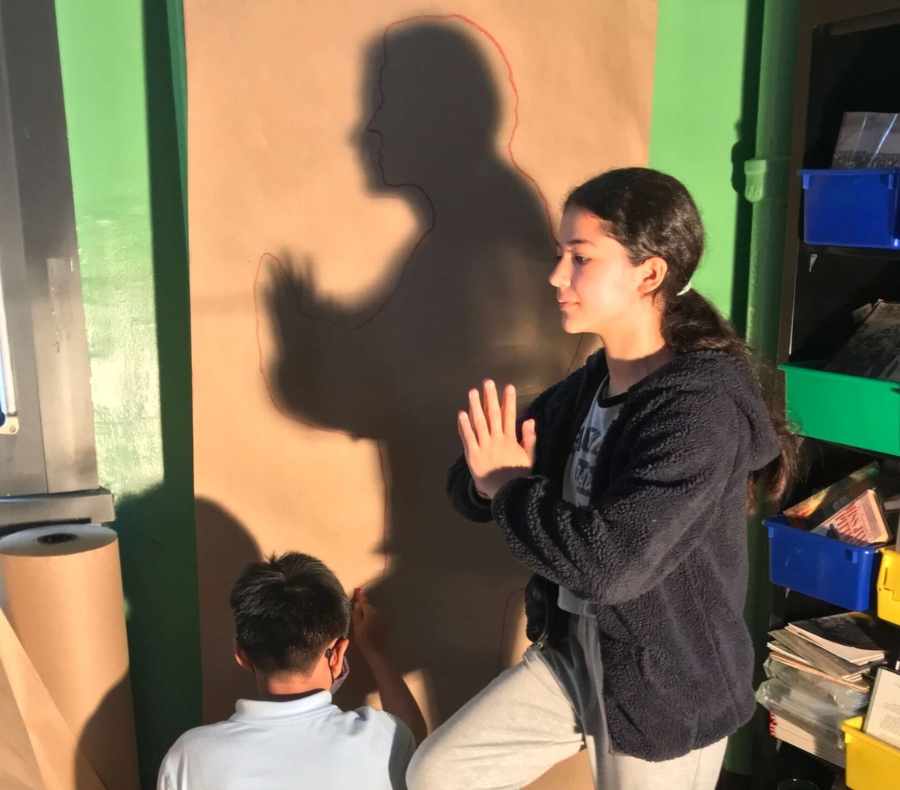
When art is the anchor of life
The history of art is not merely a chronology of styles and movements; it is, in its purest essence, a cartography of human survival. It is populated by creators for whom the brush, the chisel, or the pen were not just professional tools, but authentic lifelines in the face of the darkness of trauma, illness, and isolation.
In New York City, a metropolis that has historically served as a refuge for exiled, persecuted, or simply misunderstood artists, these stories of resilience resonate with a particular force. Here, where competitiveness and the urban pace can be devastating, art emerges as the anchor that prevents the individual from being swept away by the tide of emotional collapse.
One of the most inspiring testimonies of this struggle is that of Frida Kahlo. Hayden Herrera, in her definitive biography of the Mexican painter, details how art allowed Frida to survive a body shattered by a tragic accident and a mind tormented by physical pain.
 For Frida, the act of painting from her bed was not a manifestation of vanity, but a radical act of staying alive. By capturing her suffering on canvas, she managed to externalize her pain, turning it into an object she could observe and, ultimately, transcend. Her work, which today stands as a pillar in museums like the MoMA, is the visual record of a woman who refused to be consumed by her own tragedy.
Walking through the galleries of that same MoMA in Manhattan, we find the example of Yayoi Kusama. In her autobiography, Infinity Net, the Japanese artist explains that her obsession with infinite dots is a direct response to her hallucinations and panic disorders. Kusama has voluntarily lived in a mental health institution for decades, leaving daily for her studio to create.
For her, art is a daily medicine; without the ability to project her visions into immersive installations, her life would not have been sustainable. Art is what allows her to manage the chaos of her mind in a world that often feels overwhelming.
Regarding this transformative power and the need for structures that sustain it, Nancy Rodríguez, Operations Manager at Artelatam, provides a fundamental perspective on the work of strategic support in the Big Apple:
“In the operational management of Artelatam, we understand that art as an anchor needs a safe harbor to dock. New York can be an extremely hostile city for a creative; therefore, our mission is to lift the weight of logistical and administrative burdens so the artist can focus on their process of healing and creation. I have seen how the stability we provide—whether through an exhibition or a support network—returns a sense of purpose to the artist. When a creative feels their work has a space and a voice in this city, their resilience multiplies. We don’t just manage art; we manage hope and stability for human beings who have decided to transform their pain into beauty.”
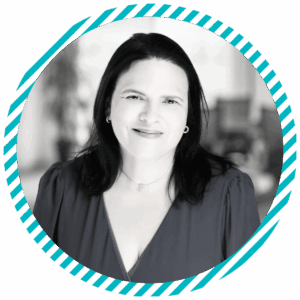 Rodríguez’s vision underscores that artistic expression is an act of personal survival that requires a solid community. In a city as demanding as New York, art offers a sanctuary for those facing trauma or the loneliness of uprooting.
The work of Artelatam consists of ensuring that this anchor is firm, providing the platform and logistics necessary so that the creative process is not interrupted by the pressures of the environment.
By celebrating the stories of Kahlo, Kusama, and so many contemporary artists from the Latino diaspora, we validate the power of art as the ultimate language of the human survival instinct. It is a light that shines with special intensity in the darkness of adversity.
Creativity is not just a talent; it is the most sophisticated human defense mechanism. In a city that never sleeps, art is the dream that keeps us sane, the anchor that binds us to life, and the tool with which we sculpt our own salvation in the concrete heart of New York.
Ultimately, investing in the artist’s well-being and in creative spaces is an investment in the health of society itself. If art could save Frida and can sustain Kusama, it has the power to heal the invisible cracks in our community in New York.
Artelatam remains committed to being that operational and emotional bridge, ensuring that no artist has to navigate the storm of the city without a safe harbor.
Post Tags :
- Art and Migration
- Art and Wellness
- Art as Survival
- Art for Resilience
- art history
- Art Logistics NYC
- Art Sanctuary
- Artelatam
- artistic legacy
- contemporary art
- creative expression
- creative therapy
- cultural heritage
- Emotional Healing
- Empowerment through Art
- Frida Kahlo NYC
- Healing Arts
- Hispanic Artists NYC
- Infinity Net
- Latin American art
- Latino Diaspora Art
- Mental Health Art
- Mental Health Awareness
- Nancy Rodríguez
- NYC Museums
- Resilience in NYC
- Self-Care for Artists
- Trauma Recovery
- Visual Arts NYC
- Yayoi Kusama MoMA